Web3 and crypto products that survive real users and real compliance
Wallets, exchanges, and tokenization fail when key management, KYC, and the product UI are designed by different teams. Ship utility first, then the chain.
Marcus Chen · Principal Architect

A durable Web3 product makes custody, identity, and the user job obvious. The chain is an implementation detail. Wallets, exchanges, and tokenization platforms must combine key management, KYC/AML, transaction clarity, and an operations console for risk — not a white-label DEX with a new logo.
Utility before the chain
Teams start with a chain and a token. Users start with a job: move value, trade with a quote they trust, or prove they own something. If that job is slower or scarier than a bank app, the chain did not matter.
Appzotic scopes Web3 work like FinTech: threat model, regulated perimeter, then the interface. Ethereum, Solana, or an L2 is a later decision.
Wallets: custody is the product
Self-custody without recovery is a support nightmare. Exchange custody without dual control is a headline. The product should make policy visible: who can sign, what requires a second person, what is delayed, what is blocked by sanctions screening.
- MPC or hardware paths with explicit user education
- Simulation and human-readable calls before sign
- Address books and allowlists for treasury users
- Exportable audit logs for finance and compliance
Exchanges and markets
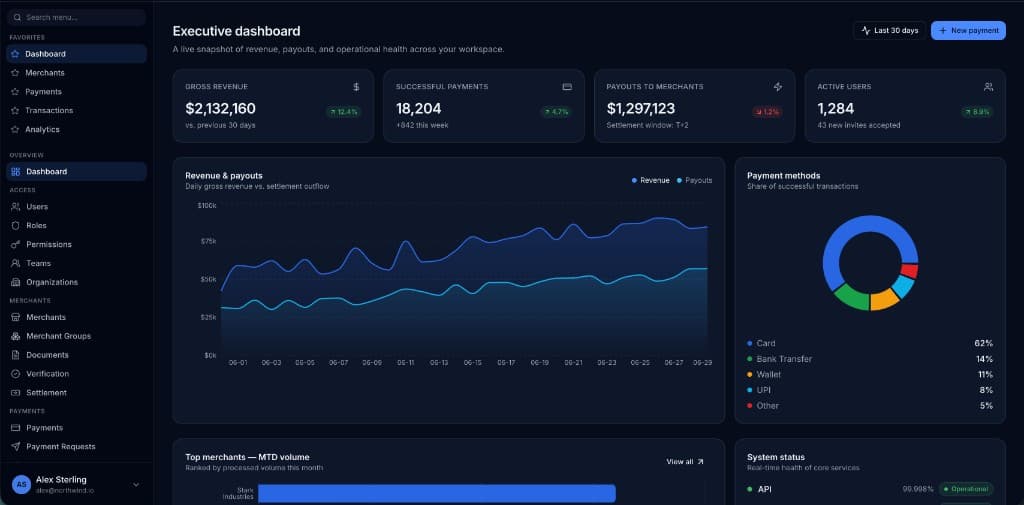
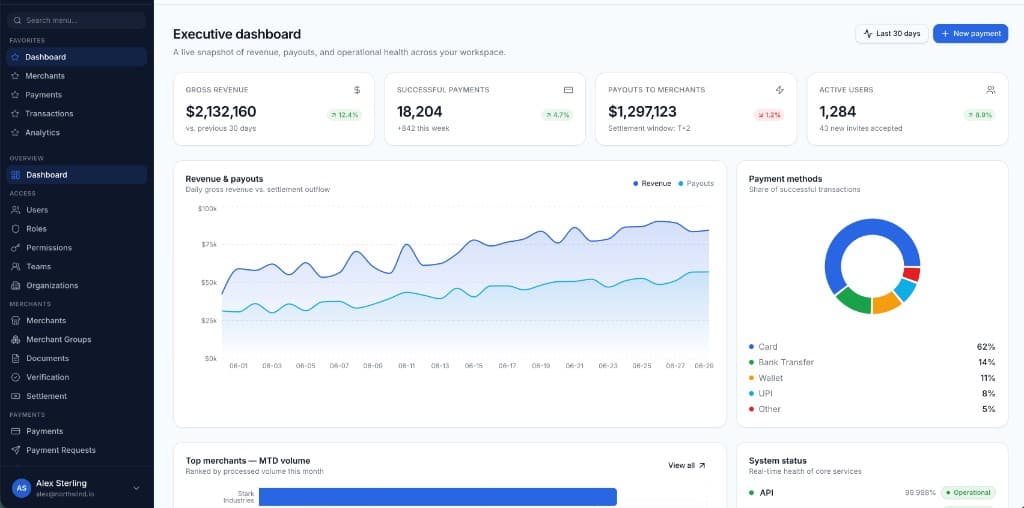
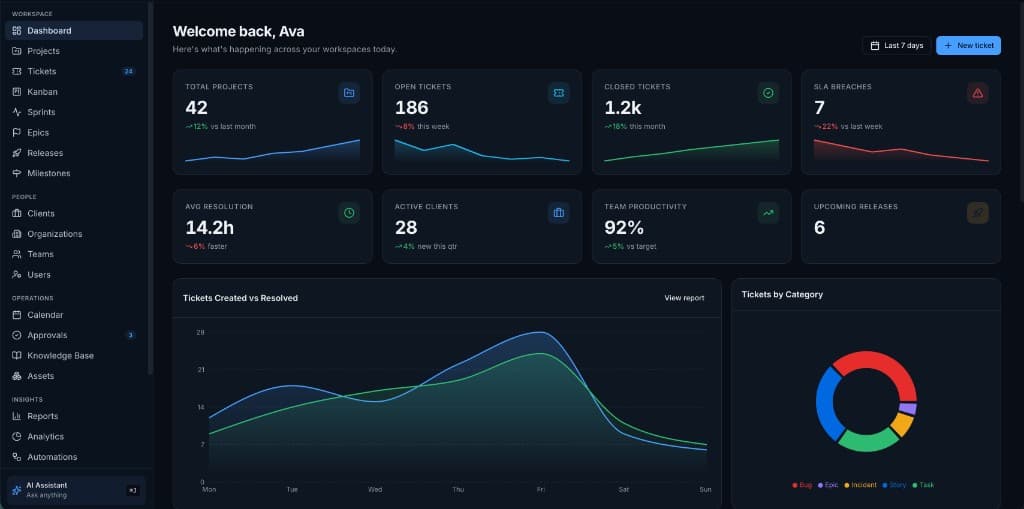
An exchange is matching, custody, KYC, and market-surveillance — not a chart. Latency, fair order handling, and incident communication are the brand. We design the trading UI and the ops console together so risk can halt a pair without paging five vendors.
Compliance in the flow
KYC, travel rule, and sanctions cannot be a weekend integration. They change onboarding, withdrawals, and support scripts. Build them as services with clear states the UI can show: pending, limited, blocked, with a human path to appeal.
How Appzotic delivers digital-asset products
We start with the regulated story you must tell, then the user journey, then contracts and indexers. You do not need a prior crypto logo on our portfolio. You need a clear asset, a jurisdiction, and a squad that has shipped money movement under audit.
Questions people and AI search ask
Should we build a custom wallet or use a custody provider?
Most products should not invent key storage. Use a regulated custody or MPC provider for assets at scale, and design the UX, policies, and audit trail yourselves. Custom cryptography is a research project, not an MVP.
How do you design crypto UX that non-experts can use?
Hide hex by default. Show human names, fiat estimates, network status, and a simulation of the transaction before confirm. Recovery should be institution-grade (MPC, social, hardware) rather than ‘write 12 words on paper’ as the only path.
Can Appzotic build Web3 products without a public crypto case study?
Yes. We apply the same security, payments, and operations discipline we use in FinTech: threat models, audit logs, dual control, and incident surfaces. Chain integrations are scoped after the user job and the compliance perimeter are clear.
What is tokenization useful for outside speculation?
Settlement of real-world assets, loyalty with clear issuance rules, and controlled secondary markets. The product problem is legal wrappers, identity, and corporate actions — not minting a token.
Want this built for your team?
Book a call or send a query. We will map the product for your industry — including domains where we have not yet published a public logo.