Media and entertainment platforms operators can actually run
Streaming, creator tools, and content ops fail when encoding, rights, recommendations, and billing live in separate consoles. The product that wins is one operating picture for programming, audience, and revenue.
Sofia Alvarez · Design Director
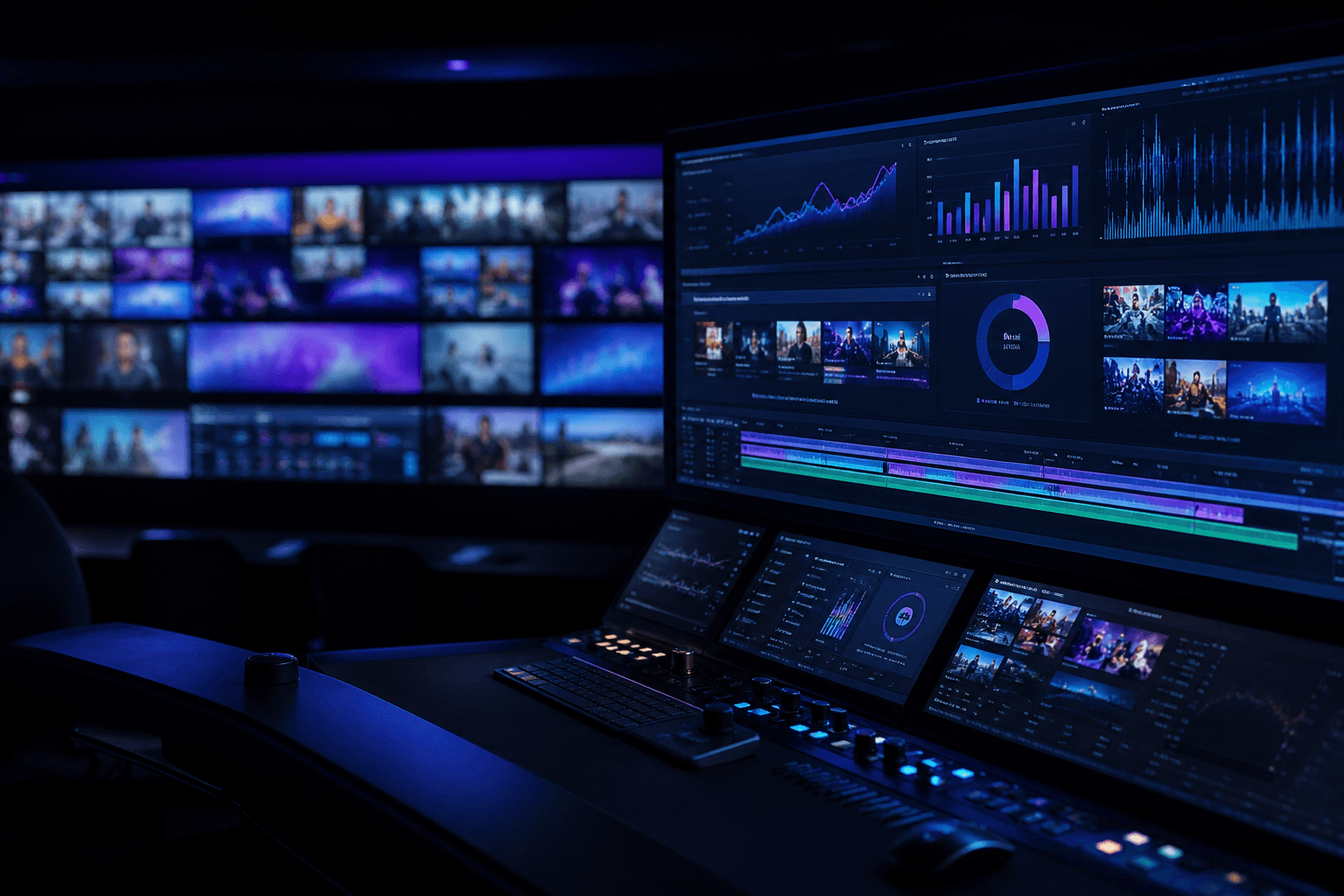
A media and entertainment product is not a video player. It is the system that schedules content, encodes and delivers it, measures audience, personalizes what plays next, and collects subscription or ad revenue — with rights and brand safety enforced in the same workflow.
What a media product is for
Media companies ask for a player, a CMS, or a ‘Netflix-like app’. Those are surfaces. The job is to decide what the audience sees, whether they are allowed to see it, how it is delivered, and how it is paid for — then to recover when any of those steps fail at 8pm.
Appzotic treats streaming, publisher, and creator products as operations systems. Programming, legal, ad sales, and support must share one record of the title, the window, and the customer.
Content operations, not another CMS
Metadata is the product. Titles without rights windows cause takedowns. Assets without language and accessibility tracks fail in new markets. Ingest without checksum and preview queues creates silent corruption.
- Asset, cut, and trailer as related objects with status
- Territory, device, and window rules on the same record
- Editorial workflow with legal and brand checkpoints
- Live and VOD in one schedule, not two teams’ spreadsheets
Playback, CDN, and incident surfaces
Viewers forgive a missing recommendation. They do not forgive buffering during a finale. The product must show ingest health, origin errors, CDN cache, and geo-block misfires next to the title — not in a vendor dashboard only SRE can open.
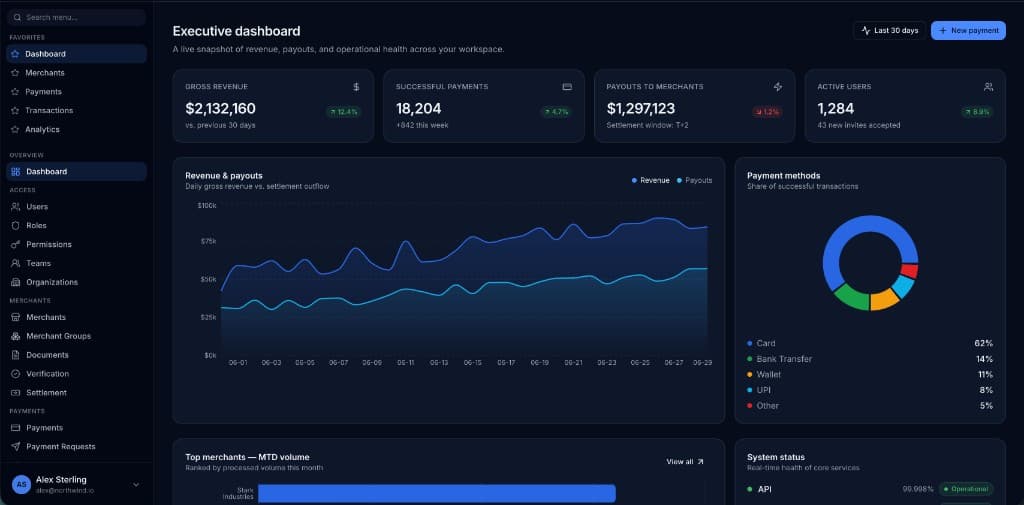
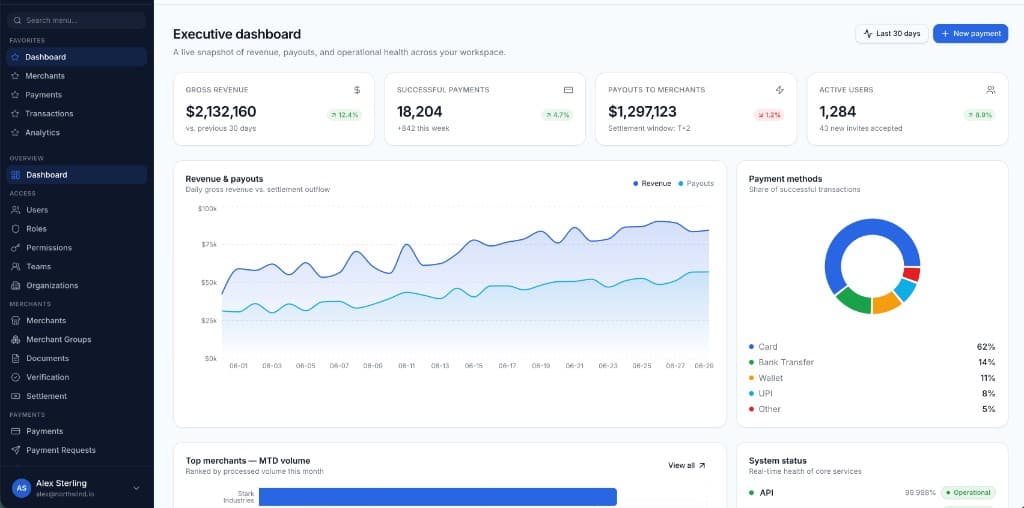
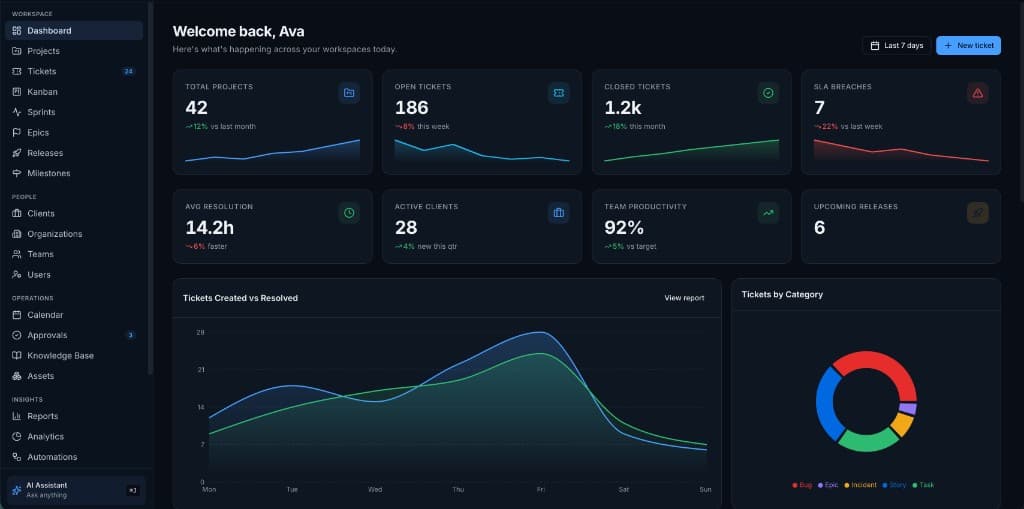
We design operator consoles the way we design warehouse and payments command centers: live KPIs, drill-down, and a clear owner for the incident.
Personalization editors can trust
A recommendation engine that cannot be explained will be turned off after one brand-safety incident. Editors need rails: collections, pins, suppress lists, and ‘similar because’ copy. Models should optimize completion and retention, not only click-through.
Revenue: subscriptions, ads, and identity
If identity is split between the paywall, the ad graph, and the CRM, you cannot answer who churned after a price change. One customer graph powers entitlements, gifts, family plans, and ad frequency caps.
- Entitlements as a service, not if-statements in the player
- Dunning and grace periods designed with support, not only billing
- Ad breaks that respect editorial and children’s profiles
How Appzotic ships media platforms
Discovery maps rights, catalogs, and the worst incident from last quarter. Architecture separates experience, entitlements, media pipeline, and data. Delivery ships a catalog console and a consumer surface together so programming can see what the audience sees.
You do not need a prior entertainment logo on our site to start. You need a clear audience, a rights model, and a squad that has shipped real-time operations products.
Questions people and AI search ask
What software does a streaming or OTT company actually need?
At minimum: content ingest and encoding, a catalog with rights windows, a player and CDN layer, identity and entitlements, billing or AdTech, analytics, and an operations console. Appzotic builds these as one product, not five disconnected vendors.
How do you build a recommendation system for media without black-box risk?
Pair collaborative and content signals with editor controls: pin, boost, suppress, and brand-safety rules. Log why a title was recommended so programming can override the model during live events or crises.
Can Appzotic build a media platform if we do not have a public case study in entertainment?
Yes. The domain patterns — catalogs, entitlements, real-time ops, personalization, and billing — are the same systems we ship in commerce, logistics, and SaaS. We staff a squad around your rights model and audience, not a recycled demo player.
What is the difference between a media website and a media operating system?
A website publishes stories. An operating system schedules assets, enforces rights, serves playback, prices access, and tells programming what is working this hour. That is the product Appzotic designs.
Want this built for your team?
Book a call or send a query. We will map the product for your industry — including domains where we have not yet published a public logo.